Experts illuminate the benefits of disinfecting surfaces with ultraviolet light
As facilities continue to prioritize cleaning and disinfecting, more facility managers are considering adding ultraviolet (UV) light disinfection to their cleaning protocols. CMM’s most recent in-house/facility management benchmarking survey found that 15% of respondents planned to implement UV disinfecting technology within the next 12 months. Ultraviolet Light
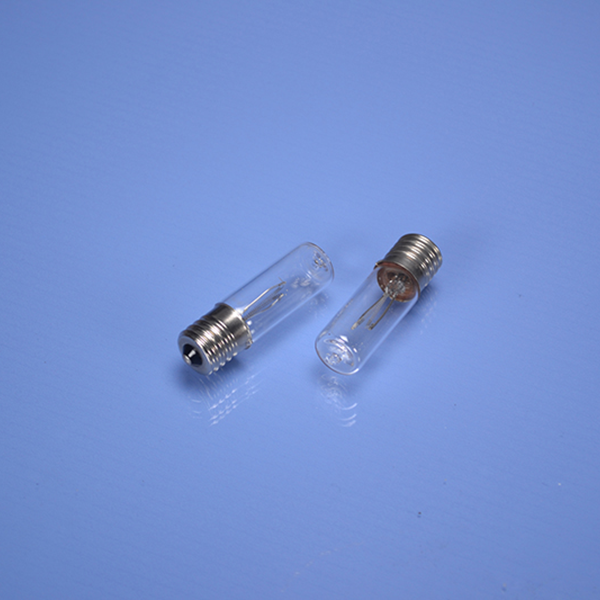
UV waves disinfect by breaking down microorganisms, naturally damaging their DNA and rendering them unable to replicate. Research has shown the wavelength range of ultraviolet C (UVC) light (200–280 nanometers) is the most effective against bacteria and viruses.
Is UV disinfection a good fit for your facility? This Q&A with two specialists might help you decide.
GERALD PRALL, chief sales officer, Pringle Robotics Inc. UV light systems have been proven, in both lab and real-world scenarios, to have strong pathogen inactivation efficacy. They reach surface areas that are missed by hand wiping and spray systems.
LARINDA BECKER, executive director of marketing, Infection Prevention, Diversey Due to time pressures, cleaning staff do not consistently clean and disinfect in a manner that results in safe environments. An American Hospital Association survey found that hospital cleaning staff typically spent about 15 minutes performing a daily clean and 40 minutes performing end-of-stay cleaning procedures. Limited time and worker shortages often lead to shortcuts, which reduce cleaning compliance.
Disinfection solutions such as UVC devices work without user involvement which avoids gaps in current cleaning practices. More than 40 clinical studies, measuring either the biocidal effect of UVC light on microorganisms or its impact on health care-associated infection (HAI) rates, have robustly tested UVC devices and found them effective. UVC has been proven to kill vegetative bacteria, fungi, viruses, and spores.
BECKER The interest in adjunct or additional disinfection solutions has steadily grown over recent years, corresponding with public concerns regarding infection rates and the prevention of infection transmission. Although cleaning staff can miss surfaces during environmental cleaning and disinfection, the addition of UVC disinfection can help eliminate remaining germs and mitigate this transmission risk.
PRALL Interest in UV disinfection has grown significantly in recent years due to the COVID-19 pandemic. Shortages of traditional disinfection liquids during the pandemic brought UV disinfection front of mind as a viable alternative to traditional electrostatic spraying and hand wiping methods.
BECKER Hospitals have definitely been a primary focus in UVC adoption and use. We are seeing that many other industries deploy this technology as an intervention when there are confirmed or suspect cases of viruses such as SARS-CoV-2. The technology is used across health care, business, education, and other sectors. PRALL UV disinfection first became popular in health care environments due to the need to combat infectious diseases for individuals with weakened immune systems and susceptibility to infections after surgery. More building types have become interested in UV technology after learning about its effectiveness in health care environments and in response to their need to improve sanitation standards due to the pandemic.
PRALL Some people believe that UV disinfection is expensive and not as effective as traditional disinfection methods. In fact, UV lamps have long lives, are low cost, and their efficacy for pathogen inactivation is actually stronger than other methods.
BECKER Common misconceptions—and explanations on why they are not true—include: UV works in any setting on horizontal and vertical surfaces. (Shadowing can prevent UV disinfection from working. Shadowing occurs when UV light cannot strike a surface directly, so it receives less energy, reducing efficacy. UV light does not reflect, or bounce, very efficiently.) UV doses are safe for all surfaces. (High amounts of UVC for extended periods on certain plastics, such as ABS [acrylonitrile butadiene styrene], may yellow these materials over time.)
You don’t have to clean if you use UVC. (Soil on surfaces reduces efficacy of UV light. Cleaning surfaces before UVC disinfection is highly recommended.)
PRALL To get the best results from UV disinfection units, users need to be aware of the distance from the light source to the surface, the strength of the UV lamps, and the exposure time needed to ensure pathogen inactivation reaches the desired levels. Common mistakes include inadequate exposure time and excessive distance to surfaces.
BECKER I recommend seven steps:
BECKER Continuous improvement in durability and performance. PRALL One of the most promising innovations for UV disinfection is the development of Far UV lamps, which operate at a 222 nanometer spectrum. These lamps are efficient in removing pathogens yet safe to use around humans, as the light will not penetrate the outer epidermis layer of the skin.
Another innovation is UV reflective paint, which helps to bounce UV light into areas that would otherwise not receive exposure.
Larinda Becker is the executive director of Marketing for Infection Prevention at Diversey.
Gerald Prall is chief sales officer at Pringle Robotics Inc.
Get the CMM Daily News enewsletter delivered directly to your inbox.
10275 W. Higgins Road, Suite 280, Rosemont, IL 60018 USA
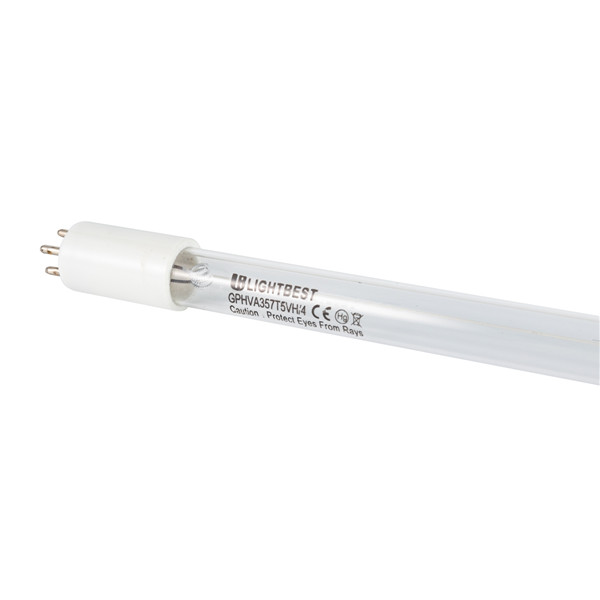
Uvc Mercury Lamp © 1998- ISSA. All rights reserved.